



Moving to a bigger home when you have toddlers is a unique kind of adventure. You’re juggling nap schedules, snack demands, and tiny emotional worlds that can be thrown off by even small changes — all while trying to pack boxes and make big decisions. The good news is that toddlers are incredibly adaptable when the transition is handled with warmth, predictability, and a few smart strategies.
Below is a practical guide to upsizing with young children, including tips parents often don’t think of but make a huge difference.
Why Families Upsize During the Toddler Years
Most parents start thinking about a larger home when their toddlers become more active, more curious, and more in need of space to explore safely. Common reasons include:
- Outgrowing a starter home
- Wanting a backyard or safer outdoor play space
- Needing more bedrooms
- Planning for another baby
- Wanting a better layout for daily routines
Toddlers change how you use your home — and upsizing often brings a sense of relief and breathing room.
The Challenges (and How to Handle Them)
Toddlers don’t care that you’re moving
Their world revolves around routine, comfort, and familiarity. The key is keeping those things intact as much as possible.
What helps:
- Pack in short bursts during nap time
- Keep favourite toys accessible
- Maintain bedtime rituals
- Introduce the idea of the “new house” slowly and positively
Smart Transition Strategies Parents Often Overlook
⭐ 1. Create a “story” about the move
Toddlers understand the world through stories. Make the move into a simple narrative:
“We’re going to a new house where you’ll have a cozy room and a backyard to play in.”
Repeat it often. Predictability reduces anxiety.

⭐ 2. Visit the new neighbourhood before moving day
Even one or two short visits can make a huge difference.
Try:
- A walk around the block
- A quick stop at the nearest park
- Driving by the new house and waving
- Showing them “their” window or “their” tree
This builds familiarity so the new environment doesn’t feel like a shock.

⭐ 3. Introduce the new school or daycare gently
If your toddler will be switching schools or daycare, start the transition early.
Helpful steps:
- Show photos of the new classroom
- Drive by the building
- Watch a short video tour if available
- Practice the new route
- Mention the teacher’s name casually in conversation
- Take them for a few short sessions before they begin a longer routine
Toddlers don’t need details — they need repetition and friendly associations.
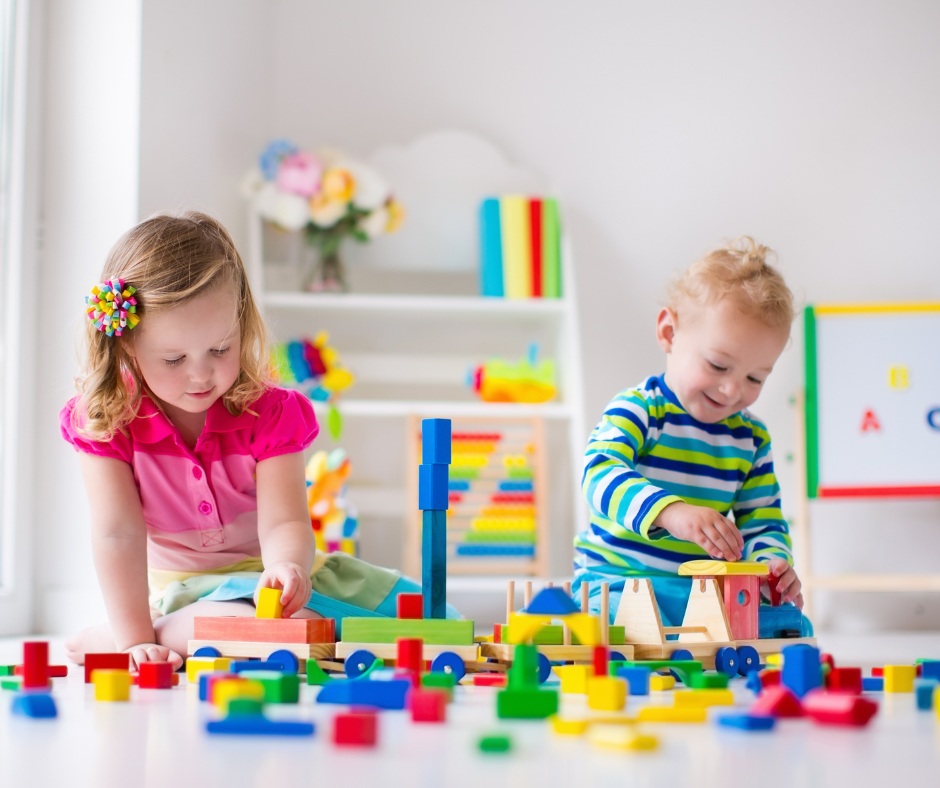
⭐ 4. Pack their room last — and unpack it first
This is one of the most effective ways to reduce first-night nerves.
Why it works:
- Their room stays familiar until the very end
- Their comfort items stay accessible
- Their new room becomes the first “safe space” in the new home
Set up their bedding, nightlight, and favourite stuffed animals before anything else.

⭐ 5. Use picture books to explain the move
Books help toddlers process change through characters they relate to. Here are a few excellent options (summaries only — no copyrighted text):
- “The Berenstain Bears’ Moving Day” — A gentle story about leaving a familiar home and discovering a new one.
- “A Kiss Goodbye” — Helps children understand mixed feelings about moving.
- “Moving House” (Usborne First Experiences) — Simple explanations and friendly illustrations.
- “Big Ernie’s New Home” — Focuses on emotions and reassurance during a move.

⭐ 6. Give them a “job” on moving day
Toddlers love feeling helpful.
Ideas:
- Carrying a soft toy into the new house
- “Checking” their new room
- Placing a sticker on their bedroom door
- Helping choose where a small item goes
A sense of agency reduces anxiety.

⭐ 7. Keep one “constant” object throughout the move
This could be:
- A blanket
- A stuffed animal
- A favourite book
- A small pillow
Tell them:
“This comes with us everywhere.”
It becomes their emotional anchor.
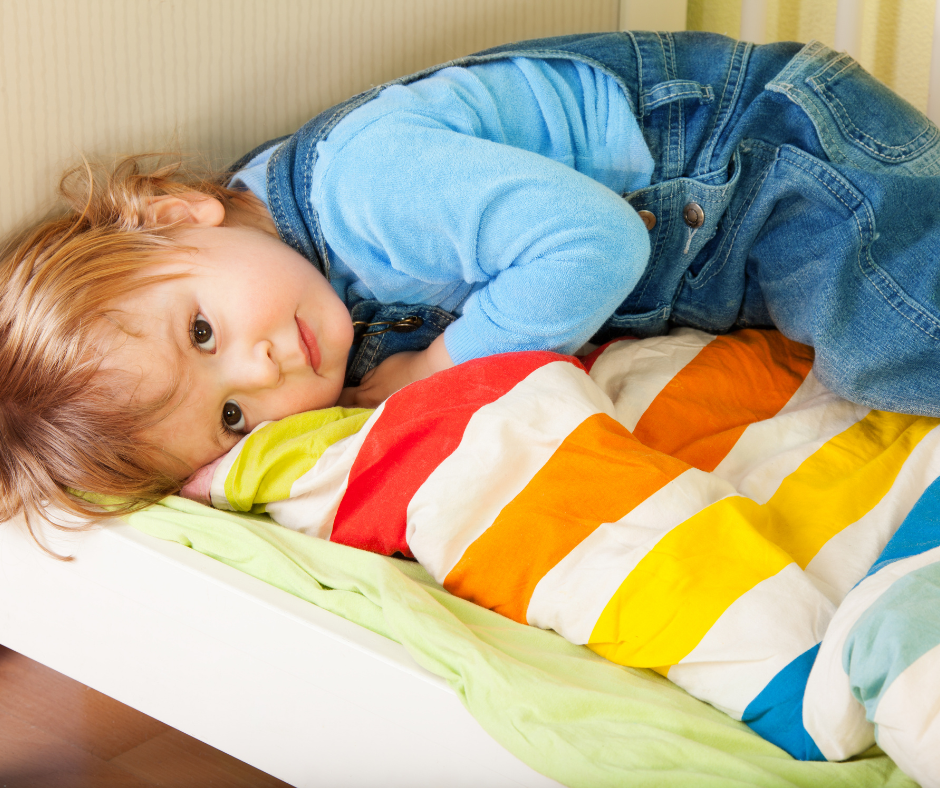
⭐ 8. Make the first night feel safe and special
The first night in a new home can feel strange for a toddler, even if they seem excited during the day. Keep their bedtime as close to normal as possible: same pyjamas, same stories, same songs. Use their usual nightlight, and avoid changing the position of their bed too drastically if you can. You might say, “Tonight we get to have our first sleep in our new cozy room” and do something small but special, like a “first night” cuddle picnic on the floor before bed. Expect a bit of extra reassurance—more hugs, one more story—and treat it as part of the process rather than a problem.

What to Look For in Your Next Home
When upsizing with toddlers, certain features make daily life easier:
- Bedrooms grouped together
- A fenced backyard
- Open sightlines from kitchen to play areas
- Safe staircases
- Nearby parks and schools
- Shorter commutes
Final Thoughts
Upsizing with toddlers is busy, messy, and sometimes emotional — but it’s also one of the most meaningful moves you’ll ever make. With a little preparation, the transition becomes less about stress and more about creating a home where your family can grow comfortably.