


I get some version of this question almost every month: “Lucas, if the inspector doesn’t find anything, does that mean the house is fine?”
Fair question. And I get why people ask it — you’re about to make the biggest purchase of your life, and a home inspection feels like it should come with a guarantee stamped on the front. I wish I could tell you it does. It doesn’t, and honestly, understanding why will save you a lot of stress down the road.
Before I got into real estate, I spent years in HR, and if there’s one thing that world teaches you, it’s that a good process reduces risk — it doesn’t eliminate it. A home inspection is exactly that: a really good process. Not a crystal ball.
So let’s talk about what a home inspection actually does for you here in Ontario, and where its limits are.
What a Good Inspector Will Actually Check

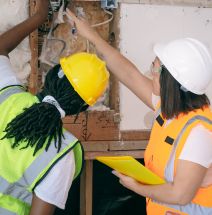
A qualified inspector spends a few hours walking your potential home top to bottom, and they’re looking at all the big stuff:
The roof — how old it is, whether shingles are curling or missing, if the flashing looks right. The foundation, checking for cracks or signs of settling. The electrical panel and wiring, plumbing and water pressure, the furnace and AC and how much life they likely have left. Windows, doors, insulation, attic ventilation, and how well the property drains water away from the house.
At the end, you get a report that tells you what’s safety-related, what’s nearing the end of its life, and what’s just general upkeep. It’s genuinely one of the most useful documents you’ll get in this whole process, and I always tell my clients to actually read it — not just skim the summary page.
One thing I’ll add, because it matters here in Ontario specifically: we don’t have mandatory provincial licensing for home inspectors the way some other provinces do. That means the quality gap between inspectors can be bigger than people expect. I always point my clients toward inspectors certified through OAHI or CAHPI — it’s not a guarantee of perfection, but it’s a real signal of training and standards.
Where It Gets Trickier

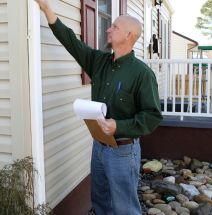
Here’s the part that catches people off guard. An inspector isn’t opening up your walls. They’re not moving your future in-laws’ antique china cabinet to check the outlet behind it. They’re doing a visual, non-invasive review — which means some things are simply out of reach on inspection day:
- Anything hidden behind finished walls, floors, or ceilings — old wiring, hidden water damage, that sort of thing
- Underground issues, like a cracked sewer line or a septic system that’s on its last legs
- Mould that isn’t visible or obviously smelly
- Termites, carpenter ants, rodents — that’s its own specialty
- Anything blocked by furniture, storage, or (this being Ontario) an early October snowfall
- Whether the house meets today’s building code — older homes are often “grandfathered” and won’t get flagged for that
And this one comes up more than you’d think, especially with older or rural properties: buried oil tanks. If a seller knows about one, they’re legally required to disclose it — that’s part of Ontario’s “buyer beware” framework. But a standard inspection alone won’t necessarily uncover one if nobody’s said anything.
When It’s Worth Going Further
Depending on the property, I’ll often suggest bringing in someone more specialized:
A sewer scope, especially on anything built before the 70s. A WETT inspection if there’s a wood stove or fireplace — most Ontario insurers will ask for one anyway. An oil tank sweep for older or rural homes. A well and septic inspection if you’re buying outside city services, which is common in cottage country. And if the general inspector says “this is above my pay grade,” that’s your cue to bring in a structural engineer before you get too attached to the house.
If you’re buying new construction, one more thing worth knowing — your home is also backed separately by Tarion, Ontario’s new home warranty program. Different purpose than an inspection, but good to understand both.
Here’s My Honest Take
A home inspection won’t tell you everything. What it will do is give you a clear-eyed, professional look at the home so you’re making a decision with real information instead of a gut feeling and good lighting during the showing.
As a dad of three, I think about this stuff the same way I think about anything involving my own family’s home — I’d rather know the hard truth upfront than get surprised by it later with three kids and a mortgage payment on the line.
If you’re getting ready to buy and want to talk through what to expect, or need a name of an inspector I trust, just reach out. Happy to walk through it with you, no pressure at all.